Essential Generator Choice Service
Backup Power Systems: The Essential Fix for Uninterrupted Power Supply
Power backup systems are an important shield against power interruptions. These systems operate smoothly, switching on in moments following an interruption. Running on diverse fuels, the generators ensure facilities stay running during emergencies. However, grasping their utility and characteristics is crucial to reaching the right conclusion. Which points should be addressed before acquiring a generator like this? The subsequent parts examine these important factors.
The Mechanics of Backup Power: Their Operation
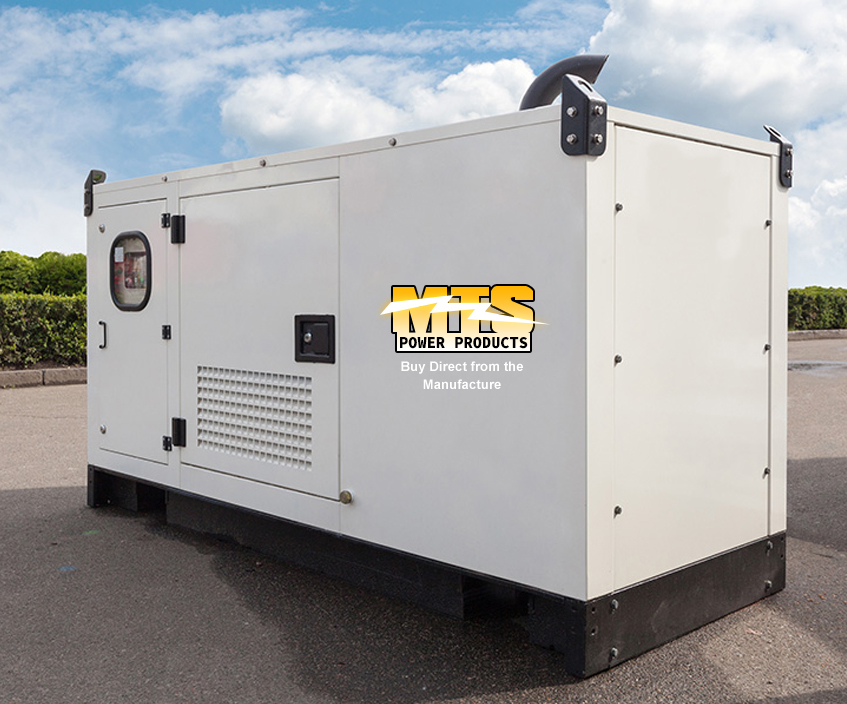
Automatic generators are vital systems that provide automatic backup power during power losses. They are typically installed on the exterior of the property, connected to the electrical system and running on gas, propane, or diesel. When a power interruption occurs, the generator senses the power failure and activates within seconds. This process involves an automatic transfer switch, that isolates the property from utility power and connects it to the generator
(Portland Standby Generators)The unit subsequently generates power, supplying power to essential circuits or the complete structure, relative to its output. The majority of backup systems include an integrated surveillance feature which ensures correct operation and upkeep. They can operate for extended periods, providing a reliable power source until the main grid is back online. Understanding the mechanics behind standby generators allows residents to recognize their value in improving power reliability and minimizing disruptions when the power suddenly fails
Advantages of Owning a Backup System
Trustworthiness is a key feature of utilizing this type of generator, since it ensures continuous electricity when the power fails. This crucial capability ensures continuous operation for properties, protecting valuable assets and upholding livability. In addition, these generators improve protection by preventing power outages that might cause dangerous conditions, such as frozen pipes or medical equipment failures.
Value for money is a further advantage; while the primary expenditure may be substantial, the long-term savings from avoided food spoilage, operational downtime, and urgent maintenance can be considerable. In addition, standby generators boost the home's worth, which makes them an attractive feature for prospective purchasers.
Convenience is also notable, as such systems start up on their own during an outage, doing away with the requirement for manual intervention. This seamless operation lets people to continue their everyday activities without interruption. In conclusion, setting up a standby system offers peace of mind, assuring that power is constantly supplied when it matters most.
Important Attributes to Consider in a Backup Power System
In the process of picking a standby generator, several key features should be considered to ensure optimal operation and suitability for specific needs. To begin with, the power output is vital; prospective owners must figure out the needed capacity to run critical equipment during an outage. Additionally, the fuel type—whether natural gas, LP, or diesel—impacts performance and running expenses.
An additional key element is the transfer switch, which facilitates seamless power changeover and enhances safety. Durability and build quality also matter; a well-built system can cope with extreme weather.
Moreover, the volume of operation must be checked, as quieter models are preferable for home environments. Certain models include auto-start functions, providing convenience during sudden power failures. To conclude, warranty and service options need to be examine now checked, offering trustworthy maintenance and maintenance. Through assessing these characteristics, prospective buyers can pick a unit that satisfies their specific energy requirements effectively.
Elements to Evaluate Before Purchase
Prior to purchasing a standby generator, prospective owners should carefully evaluate multiple critical elements to ensure they reach an educated choice. Portland Standby Generators. Initially, they must evaluate their energy requirements by figuring out the necessary capacity to run important appliances during an outage. Next, the power source is important; options include natural gas, propane, or diesel, each with unique advantages and availability considerations
Furthermore, buyers should consider the generator's power switch mechanism, which allows for smooth energy changeover. Installation necessities must also be considered, since certain models may necessitate professional installation or obtaining necessary permits
Service agreements and warranties deserve close attention, because they influence long-term satisfaction. Finally, buyers need to assess how loud the generator is, above all if they are located in populated neighborhoods. When reviewing these aspects, buyers are able to choose a standby generator that best meets their unique needs and expectations
Standby Generator Maintenance Guide

Routine servicing is crucial for guaranteeing ideal performance and longevity of a standby generator. Start by examining the oil level in the unit, and replace the oil and filter according to the manufacturer's recommendations. Make sure to check the air filter and replace it as necessary to ensure proper air circulation. You should also test the battery and remove any terminal corrosion to ensure it starts reliably.
Perform load tests regularly to ensure the unit can bear the capacity it is rated for. Furthermore, ensure that the exhaust is clear of blockages and leaks. Keeping the generator clean and free from debris will help prevent overheating and other issues.
Finally, schedule professional maintenance at least once a year to fix any issues that might arise and carry out detailed inspections. Adhering to these upkeep guidelines will significantly prolong the life of a standby generator, providing peace of mind during power outages.
Common Questions
What is the Average Cost of Standby Generators?

Standby generators typically cost between $2,000 and $15,000, depending on factors such as the brand, power output, and complexity of installation. Other expenditures might cover permits, fuel tanks, and maintenance, influencing the overall investment required.
Can I Install a Standby Generator Myself?
Self-installation of a backup generator is feasible, but you must have knowledge of electrical systems and local codes. Experts suggest hiring a professional to ensure security, conformance, and the best operation of the generator installation.
What Energy Sources Do Standby Generators Use?
Standby generators typically use fuels such as natural gas, propane, diesel, or gasoline. Portland Standby Generators. The choice of fuel is usually determined by the cost, availability, and particular power requirements, affecting the operation and efficiency of the generator
Are Permits Necessary for Installation?
Permits are frequently necessary for the installation of standby generators. Regulations vary by location, so it is essential for homeowners or contractors to check with local governing bodies to guarantee compliance with all relevant codes and requirements.
For What Duration Can a Standby Unit Operate Continuously?
A standby generator can run continuously for varying durations, most commonly lasting 24 to 48 hours, depending on fuel supply and load demands. Regular maintenance guarantees optimal functioning and extended lifespan during long running times.